
Creating a personal budget
BudgetingExplore how to create a personal budget by identifying your income and spending, including irregular costs.
It’s understandable if creating a personal budget feels daunting, especially when it feels like there is not enough money to cover costs. But having a clear view of your income and spending is the best place to start. How do you create a personal budget? A personal budget is essentially a list of your income, the money you have coming in, and expenses, called outgoings. Start by identifying all the money you have coming in. This might be a single income. This could be a calculation of several streams of income, including any government benefits that you receive.
If your income is variable, perhaps due to shift work – this is likely to be true for reservists – it might be helpful to use an average of your earnings over six to twelve months. You could create your budget based on your lowest monthly income. Start by writing down everything you spend money on. At this stage, don’t leave out the things you might want to stop spending on. You can use your online banking app or bank statements to cross-check this list. Looking through your transactions will also help you to see where small daily expenses add up, like stopping off at the coffee shop or the newsagents on your commute. Your last few bank statements will give you a good indication of your monthly spending, but don’t forget to include one-off, or irregular costs, like special events, insurance or holidays. You might have to look further back to identify these. Total the costs by adding them all up. This is where you start to gain control over your budget.
If your spending is more than your income, this is when you start to make decisions on how you might be able to cut back. You can start by putting your spending into two main categories: – your needs, which are the essentials to live, and your wants, the luxuries and nice to haves. What you consider as a need or a want is your personal decision, and these decisions may be influenced by other aspects of your lifestyle. Budgeting isn’t about denying yourself the things that you like, it’s just about being honest with yourself and making sure that you are accounting for all your spending. And if you do make changes, it’s about where you can redirect that money.
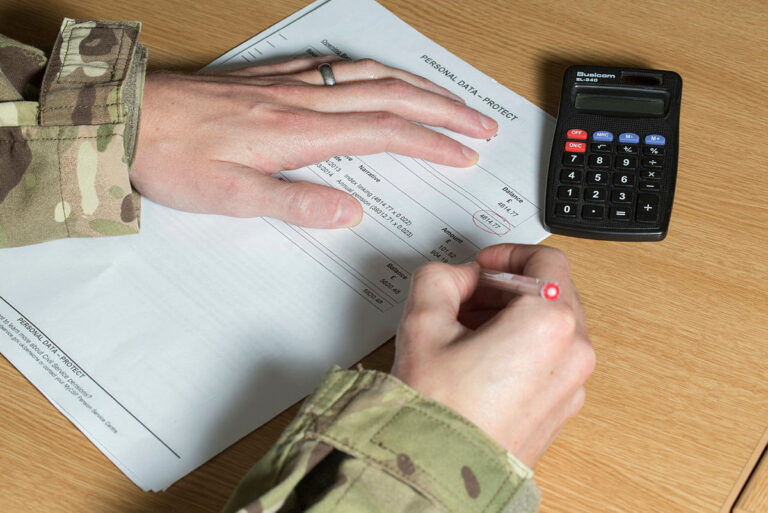
Add up the total costs of your needs. If this is more than your income, you might consider how to reduce the costs of your needs, like switching brands, finding other cheaper alternatives, or assessing whether the item is in fact a need. You can make your budget with a pen and paper, but if you want to do things online, there are lots of tools you can use. Managing your budget is about having control over your finances. Small steps make a big difference and will reduce any anxieties that you may have. Budgeting and then sticking to it can free up money for your goals, it doesn’t just cut costs.
So, take the first step of identifying all your income and expenditure. Check your bank statements carefully. If it feels daunting, maybe just start with what you spend and earn within a week. The more you practice budgeting, the easier it will become, and, in a short period of time, it will make a real difference to your finances and peace of mind. You can check out our video on budgeting methods, which gives you more ideas on how to start.
All Armed Forces Modules
Budgeting
Module 1
In this module, you’ll learn how to build a budget that helps you stay in control of rising costs, plan ahead and manage your money with confidence.

Earnings
Module 2
In this module, you’ll learn how to understand your pay, spot any issues early and explore the different ways you can increase your income.

Pensions
Module 3
In this module, you’ll understand how pensions work, including the Armed Forces Pension Scheme, so you can plan confidently for later life.
Managing debt
Module 4
In this module, you’ll learn how borrowing works, what to consider before taking on debt and how to manage repayments.

Credit options
Module 5
In this module, you’ll learn how credit works, what affects your credit score and how to make borrowing choices that support your financial goals.

Mortgages
Module 6
In this module, you’ll learn how home buying works, the factors that shape affordability and how different mortgage options can affect your choices.

Investing
Module 7
In this module, you’ll learn how investing helps your money grow over time, how it differs from saving and how to make informed investment decisions.